Life Plan Review Why Living by Design Matters

By Nurse Shannan
Autopilot can look a lot like responsibility.
It can look like showing up for work, packing lunches, answering messages, making appointments, caring for patients, caring for family, and keeping life moving because so many people depend on you. From the outside, everything may look steady. Inside, there can still be a quiet question waiting for room to breathe:
“Is the life I’m living actually the life I want?”
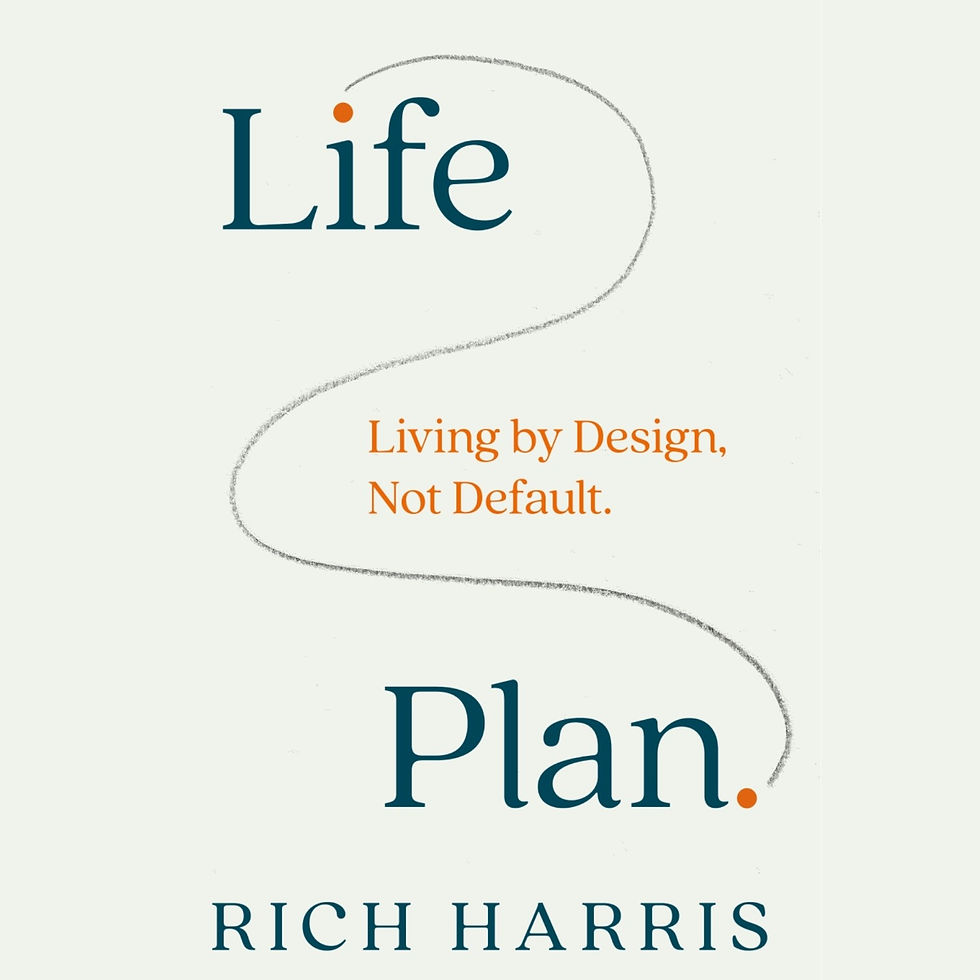
That question stayed with me while reading Life Plan: Living by Design, Not Default by Rich Harris.
As a nurse, a mom, and a woman who has lived enough life to know how easy it is to put everyone else first, this book resonated with me deeply. It speaks to the part of us that knows survival mode is not the same as living intentionally. It also reminds us that reflection is not selfish. Sometimes it is necessary.
This Life Plan Review Why Living by Design Matters is my honest look at what makes the book meaningful, who I believe it is for, and why its message feels especially timely for anyone standing at the edge of change.
What Life Plan is really about
Life Plan: Living by Design, Not Default is not just a book about setting goals. It is a book about becoming aware of the patterns that quietly shape our decisions.
Rich Harris explores why people often repeat cycles they no longer want. He connects ideas from neuroscience, psychology, personal experience, and practical reflection to show how habits form, why change can feel difficult, and how intentional choices can create a different future.
That blen
d matters.
A lot of motivational books tell readers to dream bigger, think positive, or take action. Those messages can be helpful, but they can also feel thin when life is complex. People are not machines. We carry history, fear, grief, family expectations, old identities, and routines that once helped us survive.
What I appreciated about this book is that it does not make change sound as simple as flipping a switch. It acknowledges that our brains and behaviors become wired through repetition. It also makes space for the truth that we can create new patterns with awareness and practice.
The heart of the book is simple but powerful: we do not have to keep living according to old habits, old expectations, or old versions of ourselves.
That message feels hopeful without being unrealistic.
Why the book felt personal to me
There are seasons when life becomes a long list of needs.
Someone needs medication. Someone needs dinner. Someone needs comfort. Someone needs a ride. Someone needs paperwork filled out. Someone needs you to be strong.
In nursing, that rhythm can become second nature. You learn to assess, respond, adjust, and keep going. Motherhood can feel similar. Love keeps you moving, even when you are tired.
Those roles are meaningful. I would never say otherwise. Still, it is possible to care deeply for others while slowly losing touch with yourself.
That is what made Life Plan hit home for me. It gave language to something many people feel but do not always say out loud. You can build a life full of responsibilities and still wonder if you are living in alignment with who you are now.
Not who you were ten years ago.
Not who others expected you to become.
Not who you had to be during a difficult season.
Who you are now.
There is a difference between being grateful for your life and being honest about where you want to grow. This book makes room for both.
The strength of the Thought to Action exercises
My favorite part of Life Plan is the “Thought to Action” exercises.
These sections keep the book from becoming something you simply read, enjoy, and put back on the shelf. They ask you to pause. They invite you to write, think, decide, and take ownership of what comes next.
That is where real growth often begins.
Inspiration can feel good in the moment, but it fades quickly if nothing changes. A quote can lift your spirits, but a thoughtful question can change the direction of your day. A written answer can reveal what you have been avoiding. A small action can prove to your brain that a new path is possible.
The exercises encourage readers to move from passive agreement to active reflection. Instead of just thinking, “Yes, I need to make a change,” the book nudges you to ask better questions:
What patterns am I repeating?
Which expectations no longer fit my life?
What have I outgrown?
What do I actually want the next chapter to look like?
What is one decision I can make now instead of waiting for the perfect time?
Those questions are not always easy. In fact, they may bring up discomfort. But discomfort is not always a warning sign. Sometimes it is a signal that something honest is rising to the surface.
The “Thought to Action” format also helps make the book practical. It respects the reader enough to say, in effect, “Your life will not change just because you agree with these ideas. It changes when you begin to engage with them.”
That is a message I value.
Living by design does not mean controlling everything
One thing I want to make clear is that living by design does not mean life will always go according to plan.
As a nurse, I know better than that. Life can change in a single phone call, a lab result, an accident, a diagnosis, a loss, or a choice someone else makes. We do not control every circumstance.
Living by design means we stop surrendering every decision to habit, fear, guilt, or momentum.
It means paying attention.
It means noticing when your schedule no longer reflects your values. It means recognizing when people-pleasing has replaced peace. It means admitting when a version of yourself that once protected you is now limiting you.
Design is not perfection. It is intention.
That distinction is one of the reasons I found the book’s message so grounded. It does not promise a life without pain, pressure, or setbacks. Instead, it points toward a more conscious way of living inside real life.
For many people, that might mean changing careers. For others, it might mean setting boundaries, repairing relationships, taking care of their health, returning to faith, going back to school, seeking counseling, starting over after loss, or simply creating space to hear their own thoughts again.
The point is not that everyone’s life plan should look the same. The point is that we each deserve to participate in shaping our own lives.
Where the book is most helpful
I think Life Plan will connect most with readers who are in a season of transition or honest self-examination.
That might include people who are:
Rebuilding after a major life change
Feeling stuck in old routines
Questioning what they want next
Tired of living on autopilot
Ready for personal growth but unsure where to begin
Looking for a book that includes both reflection and practical steps
It is also a meaningful read for caregivers, parents, healthcare workers, and anyone who has spent years being “the strong one.” When your identity has been tied to caring for others, it can feel strange to ask what you need. This book makes that question feel valid.
That said, readers looking for a quick-fix book may need to adjust their expectations. The value here is not in rushing through the chapters. The value is in slowing down long enough to be honest with yourself.
If you want a book that does all the work for you, this may feel too reflective. If you want a book that meets you in the middle, with ideas, personal insight, and exercises that ask you to participate, it is absolutely worth your time.
A few honest limitations
No book can map out a person’s entire life. Life Plan offers guidance, but the reader still has to do the deeper work.
Some people may want more memoir-style storytelling. Others may want a more clinical or academic treatment of neuroscience and psychology. This book sits in the space between personal development, reflection, and practical life planning.
For me, that balance worked well. It made the ideas accessible without feeling shallow.
Still, the exercises will only be as useful as the effort you bring to them. If you skim them, you may miss the book’s strength. If you sit with them, write through them, and revisit them, they can become a meaningful part of your own decision-making process.
The biggest takeaway from Life Plan
The message I carried with me after finishing the book is this:
It is never too late to reevaluate your life, change direction, and intentionally build the next chapter.
That does not mean every change will be easy. It does not mean everyone will understand. It does not mean fear disappears the moment you decide to live differently.
It means your life is still worthy of attention.
It means you are allowed to grow beyond survival.
It means old patterns do not get the final say.
So many people quietly believe they have missed their chance. They think they are too old, too busy, too tired, too committed, too far behind, or too responsible to ask for something different. But growth does not belong only to the young. Reinvention does not expire.
Sometimes the next chapter begins with one honest question. Sometimes it begins with a page in a book. Sometimes it begins when you finally admit that the life you built by default no longer fits the person you are becoming.
My final verdict
Life Plan: Living by Design, Not Default by Rich Harris is a thoughtful, encouraging, and practical read for anyone ready to pause and ask bigger questions about the direction of their life.
It goes beyond surface-level motivation by helping readers understand why patterns form and how intentional change can begin. The “Thought to Action” exercises are especially valuable because they turn reflection into movement.
I recommend this book for anyone in a season of change, personal growth, or quiet questioning. If you have been wondering what the next chapter of your life could look like, this book is worth reading with a pen, a notebook, and an open heart.
You can find Life Plan: Living by Design, Not Default by Rich Harris on Amazon here: Life Plan on Amazon
You can also learn more through the official website: Life Plan by Rich Harris
The life we live by default is often the life we never stopped to question. The life we build by design begins when we finally do.